

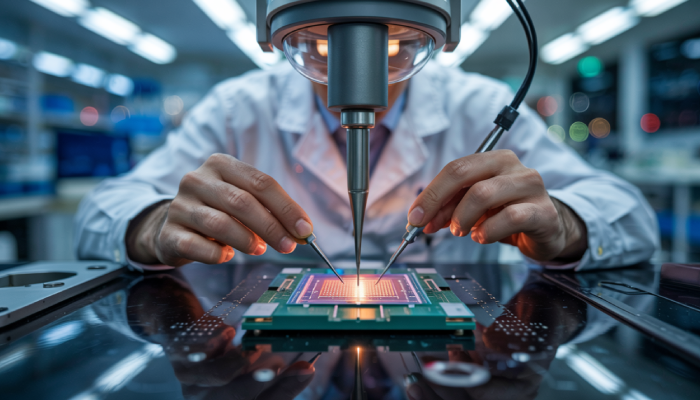
The India is reportedly planning a $11 billion semiconductor fund to accelerate domestic chip manufacturing and strengthen its position in the global semiconductor supply chain. The proposed initiative aims to provide subsidies and incentives to companies building chip fabrication plants, developing semiconductor technologies, and expanding the country’s electronics manufacturing ecosystem.
Semiconductors are critical components used in a wide range of technologies, including smartphones, laptops, automobiles, defense systems, and artificial intelligence servers. As global demand for advanced chips continues to rise, India is increasing its investment in semiconductor infrastructure to reduce import dependence and boost domestic production.
India Expands Semiconductor Incentive Programs
According to reports, the new $11 billion fund will expand the government’s existing semiconductor support initiatives. The move builds on the $10 billion semiconductor incentive program launched in 2021, which offers financial support to companies establishing semiconductor fabrication and assembly facilities in the country.
Under that program, the government agreed to cover up to 50% of the cost of building semiconductor manufacturing facilities, helping attract global technology companies and investors to India’s emerging chip industry.
Strengthening India’s Role in the Global Chip Supply Chain
India is joining a global race to secure semiconductor production as countries work to reduce reliance on foreign chip supplies and meet growing demand driven by artificial intelligence, electric vehicles, and advanced consumer electronics.
The government’s strategy focuses on leveraging India’s strong engineering talent pool, semiconductor design expertise, and financial incentives to attract global chipmakers. By strengthening domestic manufacturing, the country aims to increase exports and build a resilient semiconductor ecosystem.
Push Toward Becoming a Global Semiconductor Hub
The initiative aligns with the broader technology vision of Narendra Modi, who has emphasized the importance of developing a strong domestic semiconductor industry. Ashwini Vaishnaw has also highlighted the government’s ambition to make India a major global semiconductor hub by 2030.
Government incentives have already attracted major companies such as Micron Technology and Foxconn Technology Group to explore or invest in semiconductor manufacturing projects in India. Additionally, the Tata Group is building a semiconductor manufacturing facility in the state of Gujarat.
Building a Strong Electronics Manufacturing Ecosystem
India’s growing role in electronics manufacturing has already attracted global technology companies. For example, Apple now assembles roughly 25% of its iPhones in India, reflecting the country’s increasing importance in global supply chains.
By expanding financial support for semiconductor manufacturing, India hopes to replicate this success in chip production. The proposed fund is expected to support research, manufacturing infrastructure, and supply chain development, ultimately strengthening India’s position in the global technology economy.
