

As cyber threats evolve, the report emphasizes the need for AI-aware, compliance-driven security frameworks to balance innovation with data protection in the financial sector.
As India’s financial services sector accelerates AI adoption and digital transformation, new research from Netskope Threat Labs highlights growing concerns around data security and compliance risks.
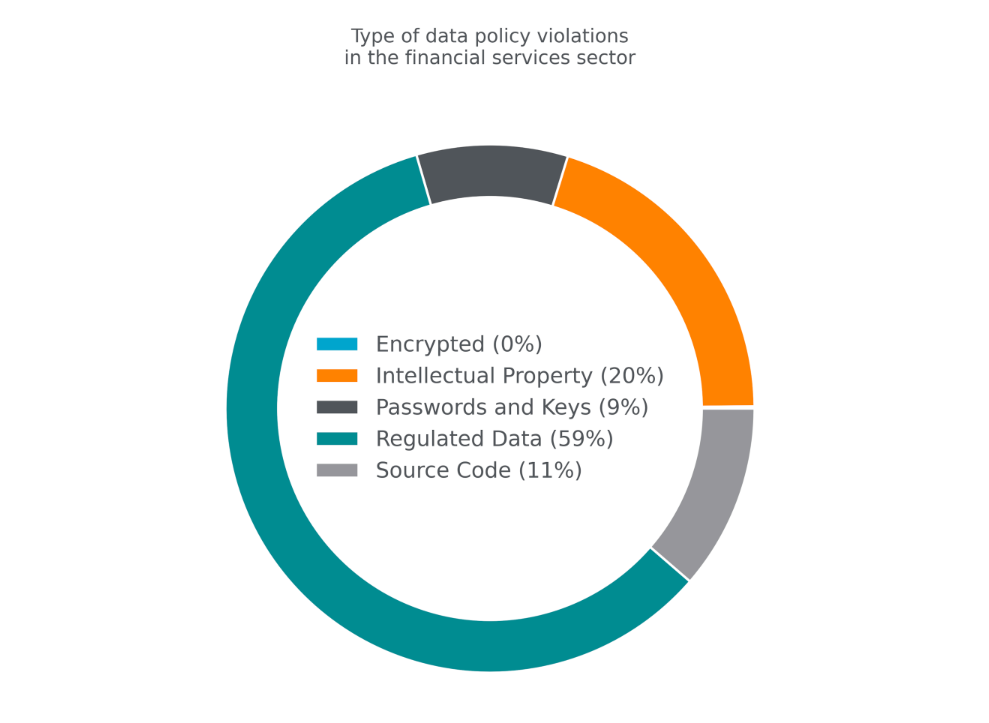
The latest report reveals that regulated financial data accounts for 59% of all data policy violations linked to generative AI (genAI), underscoring the risks associated with increased AI usage in highly regulated industries like BFSI.
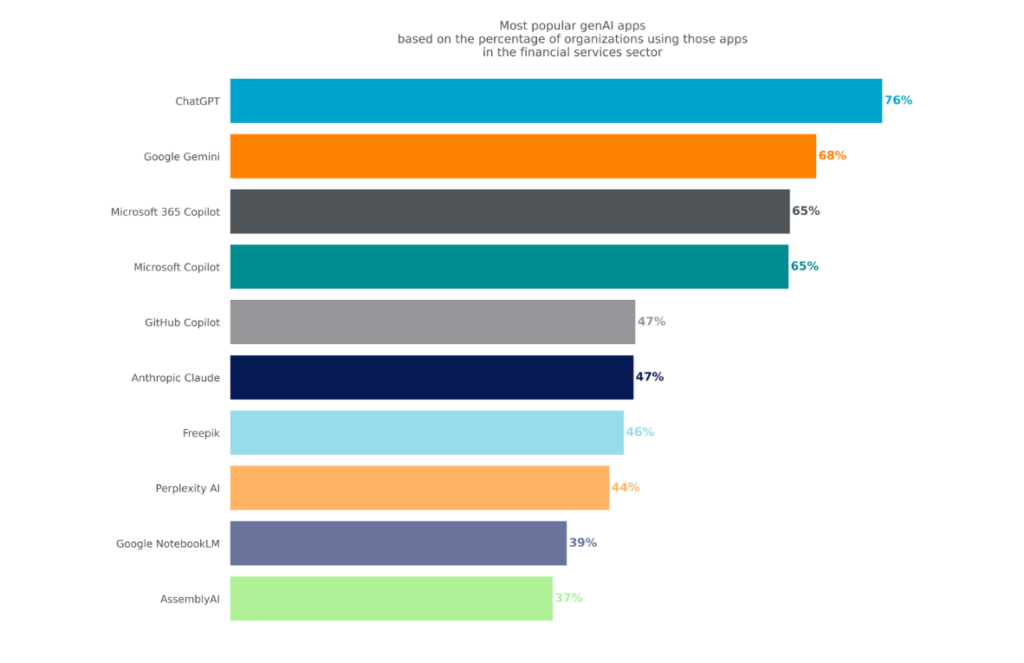
AI adoption is now widespread, with 70% of users actively using genAI tools and 97% interacting with AI-powered applications. However, the report notes that 94% of these applications rely on user data for training, increasing the potential for sensitive data exposure.
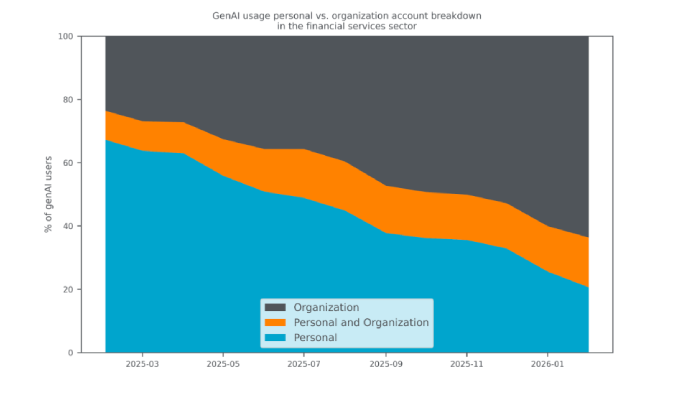
“In financial services, organizations are actively shifting users away from personal AI tools toward managed, enterprise-ready platforms that offer better visibility and control, though some overlap shows there’s still work to do. What really stands out is the data: regulated financial information continues to dominate policy violations, making this one of the highest-stakes environments for data protection. As AI becomes more deeply embedded through APIs and integrated platforms, strong governance and effective DLP controls are essential to keep innovation moving without putting sensitive data at risk,” sharedGianpietro Cutolo, Cloud Threat Researcher, Netskope Threat Labs
Encouragingly, organizations are shifting toward enterprise-managed AI tools, with adoption rising from 33% to 79%, while reliance on personal AI applications has declined. Despite this progress, 15% of users still switch between personal and corporate accounts, creating potential data leakage points.
Beyond AI, the report highlights broader risks across cloud platforms. About 65% of data policy violations in personal cloud apps involve regulated data, with platforms like LinkedIn and Google Drive widely used in workplace environments. Additionally, GitHub has emerged as a key vector for malware, impacting 11% of organizations.
